

The Esthetician's Guide to Explaining Skin Inflammation to Clients
Your Client Says "My Skin Is So Angry Right Now." Do You Know What's Actually Happening?
Here is something that might surprise you: every single client who sits in your treatment chair is experiencing some degree of skin inflammation. Every one. That post-extraction redness? Inflammation. That subtle, persistent dullness their expensive serum cannot seem to fix? Very likely inflammation too. The sunburn from last weekend's patio brunch? Absolutely inflammation.
Yet when a client asks you why their skin is red, reactive, or irritated, the explanation most estheticians fall back on sounds something like, "Your skin is just a little inflamed right now." That is not wrong, but it is not particularly helpful either. It is a bit like a mechanic telling you, "Your car is making a noise." Sure, but what kind of noise? Why? And what do we do about it?
Skin inflammation is one of the most common phenomena you will encounter in your career, and also one of the most misunderstood. The truth is, not all inflammation is bad. Not all inflammation looks the same. And understanding the difference between the two main types can transform the way you consult, the way you recommend homecare, and the way your clients perceive your professional expertise. When you can explain inflammation clearly, you stop being the person who "does facials" and start being the skin science educator your clients actually need.
Why Every Esthetician Needs to Understand Inflammation Beyond the Basics
Inflammation is not a single event. It is a spectrum of biological responses, and it shows up in nearly every skin concern your clients bring to you. Acne? Inflammatory at its core. Rosacea? A chronic inflammatory condition. Post-procedure redness? An acute inflammatory response. Premature ageing? Increasingly linked to what researchers call "inflammaging," a low-grade chronic inflammation that accelerates the breakdown of collagen and elastin over time.
If you cannot distinguish between acute and chronic inflammation, you risk two things. First, you might alarm a client unnecessarily. That redness after a chemical peel is expected, healthy, and temporary, but if you cannot explain why, your client goes home and panics. Second, and this is the bigger risk, you might normalise something that deserves attention. A client with persistent, low-level redness and sensitivity might be told their skin is "just reactive" when what is actually happening is an ongoing inflammatory cycle that is quietly degrading their skin barrier week after week.
Your clients are doing their own research. They are reading about inflammation on social media, hearing about "anti-inflammatory diets," and buying products marketed as "calming" without understanding what they are calming, or whether calm is even what their skin needs right now. They need someone who can cut through the noise with clear, accurate information. That someone should be you. Understanding skin inflammation at a deeper level is not optional knowledge for the modern esthetician. It is a professional necessity, and it is one of the most powerful tools you have for building trust in the treatment room.
The Science of Skin Inflammation: Two Very Different Stories

Let's break this down into language you can understand deeply and then translate for your clients.
Acute Inflammation: The Fire Alarm
Acute inflammation is your skin's immediate, short-term defence response. Think of it as a fire alarm going off in a building. Something has triggered a threat, whether it is a cut, a burn, an allergen, a chemical peel, or a microneedling session, and the body sends its emergency responders to the scene.
Here is what happens at the cellular level. When skin tissue is injured or irritated, damaged cells release signalling molecules called cytokines and histamines. These chemical messengers tell the blood vessels in the area to dilate (vasodilation), which increases blood flow to the site. That is why you see redness and feel warmth. The increased blood flow also makes the vessel walls more permeable, allowing white blood cells (particularly neutrophils, the body's first responders) to move from the bloodstream into the tissue to fight potential pathogens and begin the clean-up process.
The classic signs of acute inflammation follow a pattern that has been documented since ancient Rome. You may recognise the Latin terms: rubor (redness), calor (heat), tumor (swelling), dolor (pain), and functio laesa (temporary loss of function). When your client's skin turns pink after extractions, that is rubor and calor at work. When there is puffiness around an irritated area, that is tumor. These are signs the system is working exactly as it should.
The key characteristic of acute inflammation is that it resolves. The fire alarm goes off, the responders do their job, and the system resets. This process typically takes hours to days, depending on the trigger. It is not something to fear. In fact, it is essential. Without acute inflammation, wounds would never begin to close, and infections would go unchecked.
Chronic Inflammation: The Alarm That Never Shuts Off
Now imagine that same fire alarm, but it never stops ringing. There is no active fire, yet the system keeps sending responders to a scene where there is nothing specific to fight. That is chronic inflammation, and it tells a very different biological story.
Chronic inflammation occurs when the inflammatory response fails to resolve. Instead of a swift, targeted reaction, the immune system stays activated at a low, persistent level. The same pro-inflammatory cytokines that were helpful in the acute phase (like interleukin-1 and tumour necrosis factor-alpha) are now being produced continuously, even without an obvious trigger.
Over time, this sustained inflammatory state causes collateral damage. The very enzymes the body sends to "clean up" tissue, particularly matrix metalloproteinases (MMPs), begin to break down healthy collagen and elastin. The skin barrier, your stratum corneum, becomes compromised as chronic inflammation disrupts the lipid matrix that holds it together. Transepidermal water loss (TEWL) increases. The skin becomes sensitised, reactive, and increasingly vulnerable to further irritation, which triggers more inflammation. It becomes a self-perpetuating cycle.
Visually, chronic inflammation often looks less dramatic than acute inflammation, and that is exactly what makes it dangerous. Instead of obvious redness and swelling, you might see persistent low-grade redness, uneven skin tone, a rough or dull texture, increased sensitivity to products or treatments that previously caused no issue, or skin that seems to "overreact" to minor stimuli. Your clients might describe it as, "My skin has just been off lately."
If you want to explore the relationship between inflammation and skin barrier function in more detail, you can download the free first module of denéva's "Understanding the Science of Skin Health", which goes deeper on the biology behind these processes.
Common Triggers: What Sets Off Each Type
Understanding triggers helps you trace inflammation back to its source, which is essential for client consultations.
Acute inflammation triggers include UV exposure, physical trauma (extractions, waxing, microneedling), chemical irritants or strong active ingredients, allergens, and thermal burns or extreme cold.
Chronic inflammation triggers tend to be subtler and more persistent: a damaged or depleted skin barrier, ongoing use of sensitising products, unmanaged conditions like rosacea or eczema, environmental stressors like pollution, internal factors such as diet, stress, hormonal fluctuations, and over-exfoliation or aggressive treatment schedules without adequate recovery time.
What This Means in Your Treatment Room
This distinction between acute and chronic inflammation has real, practical consequences for how you work with clients every day.
When you see acute inflammation, your role is often to reassure. After a treatment, redness and warmth are not complications. They are evidence that the skin's immune system is responding normally. Your job is to help your client understand this so they do not go home worrying. You can also support the resolution phase by choosing appropriate post-treatment protocols that promote comfort without suppressing the healthy inflammatory cascade entirely.

When you suspect chronic inflammation, your role shifts. Now you are a detective. You need to look at the bigger picture. What does their homecare routine look like? Are they layering too many actives? How often are they getting aggressive treatments? What is their sun exposure like? Are they reporting that their skin has become increasingly "sensitive" over time, when historically it was not?
Reactive skin is one of the most common presentations you will encounter, and it is almost always connected to chronic low-grade inflammation. The client who tells you, "I can't use anything on my skin anymore without it stinging," is likely dealing with a compromised barrier driven by an ongoing inflammatory cycle. Simply layering on a calming serum is not going to address the root cause.
This is where your education becomes your superpower. Instead of reaching for a product recommendation, you reach for an explanation. When clients understand what is happening inside their skin, they become partners in the process. They are more willing to simplify routines, be patient with results, and trust your guidance. That trust is not built by selling. It is built by teaching.
Say This to Your Client

Here are verbatim phrases and scripts you can use in your consultations. Adapt them to your personal style, but keep the core concepts intact.
When explaining acute inflammation after a treatment:
"What you're seeing right now, this redness and warmth, is actually a good sign. It means your skin's immune system recognised the treatment and is responding exactly the way it should. Think of it like a fire alarm going off when it detects smoke. It's doing its job. This will calm down within a few hours to a day, and it's part of the process that leads to the results we're looking for."
When explaining chronic inflammation to a concerned client:
"What I'm noticing with your skin is that there seems to be some ongoing low-level irritation happening beneath the surface. It's a bit like a fire alarm that keeps going off even when there's no fire. Over time, that constant state of alert can start to wear on your skin barrier and make everything feel more sensitive. The good news is, once we identify what's keeping that cycle going, we can work on calming things down at the source."
When a client asks why their skin has become "suddenly reactive":
"It's actually not usually sudden, even though it feels that way. What's likely been happening is a slow build-up of low-grade inflammation over time. Your skin was managing it, until it couldn't anymore. Think of it like a cup slowly filling with water. At some point, one more drop causes it to overflow. Our goal now is to lower the water level in that cup."
These analogies (the fire alarm, the overflowing cup) are examples of visual anchoring. They give clients a mental image they can hold onto, which makes the science feel accessible rather than intimidating.
Common Misconceptions About Skin Inflammation
Misconception 1: "All Redness Means Something Is Wrong"
Many clients panic at the first sign of redness, especially after a treatment. But as you now know, acute redness is a normal, healthy immune response. The goal is never to eliminate all redness. It is to understand what type of redness you are looking at and whether it is resolving on schedule.
Misconception 2: "Anti-Inflammatory Products Fix Inflammation"
This is a big one. Products marketed as "anti-inflammatory" or "calming" can help support skin comfort, but they do not address the root cause of chronic inflammation. If a client is chronically inflamed because of a damaged barrier, layering a calming serum on top without addressing the barrier itself is like turning down the volume on a fire alarm instead of investigating what triggered it. The alarm is still going off. You just cannot hear it as well.
Misconception 3: "Inflammation Only Affects Sensitive Skin Types"
Chronic inflammation does not discriminate by skin type. Clients with oily, acne-prone skin can absolutely experience chronic inflammation, and frequently do. In fact, acne itself is an inflammatory condition. Even clients who describe their skin as "normal" or "not sensitive" can have underlying low-grade inflammation contributing to premature ageing, dullness, or uneven tone.
The denéva Approach to Supporting Inflamed Skin
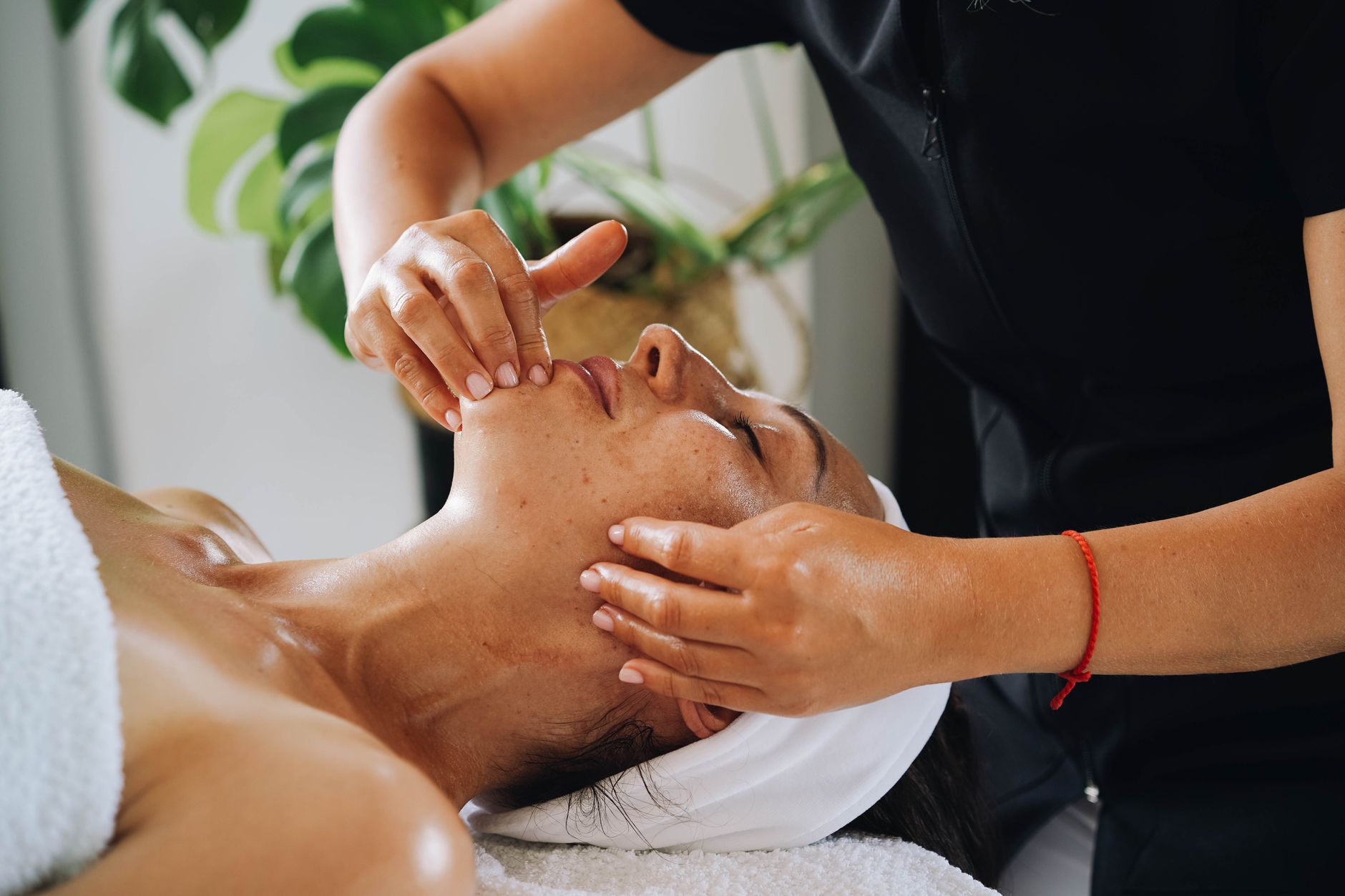
At denéva, we believe that education is the most effective tool for addressing skin inflammation, both yours and your clients'. When an esthetician truly understands the inflammatory cascade and can distinguish between acute and chronic presentations, every recommendation they make becomes more precise and more credible.
The denéva product philosophy centres on supporting the skin's natural processes rather than overriding them. This means formulations designed to assist the skin barrier, help maintain a balanced microbiome, and promote an environment where the skin's own regulatory mechanisms can function effectively. We do not position our products as miracle solutions for inflammation. Instead, we position you, the educated esthetician, as the solution. Products are simply tools that support the strategy you build based on your understanding of what is happening in your client's skin.
When you can explain to a client exactly why you are recommending a specific product and connect it back to the biology of their specific inflammatory concern, you are not selling. You are prescribing from a place of knowledge. That is a fundamentally different experience for your client, and it is the kind of experience that builds long-term loyalty.

Take Your Inflammation Knowledge Deeper
Understanding skin inflammation is foundational to nearly every concern you will encounter in practice. It connects directly to barrier health, ageing, acne, sensitivity, hyperpigmentation, and more. The more fluently you can speak about it, the more confident you will feel in consultations and the more trust your clients will place in your expertise.
If this post resonated with you, the denéva Lexicon course goes much deeper into the science behind skin inflammation, barrier function, and the biological processes that drive the concerns your clients care about most. It is designed specifically for licensed estheticians who want to move beyond surface-level knowledge and become true skin science educators.
Explore the full denéva Skincare Academy curriculum and start building the kind of expertise that sets you apart. Because the estheticians who understand the "why" are the ones clients never stop coming back to.
Frequently Asked Questions
What's the difference between acute and chronic skin inflammation?
Acute inflammation is your skin's immediate protective response to irritants, lasting days to weeks with visible redness and swelling. Chronic inflammation persists for months or years, often appearing subtle but causing ongoing damage at the cellular level, leading to premature aging and compromised skin barrier function.
How should I explain inflammation to clients without using medical jargon?
Use relatable comparisons: describe inflammation as your skin's alarm system responding to perceived threats. When triggered by irritants, allergens, or damage, it sends protective chemicals causing redness and swelling. Chronic inflammation is like an alarm that won't turn off, continuously stressing your skin cells.
Can inflammation be completely eliminated from skincare treatments?
Complete elimination isn't the goal—appropriate inflammation is your skin's natural healing response. Instead, focus on preventing unnecessary inflammation through proper product selection, gentle techniques, and targeted treatments that support your client's skin barrier while allowing beneficial protective responses to occur.
What's the most common misconception clients have about inflamed skin?
Clients often believe that inflamed skin needs aggressive treatment or strong actives to improve. Actually, over-treating irritated skin intensifies inflammation and barrier damage. The most effective approach involves calming, supporting the barrier with gentle hydration, and using anti-inflammatory ingredients like niacinamide and centella asiatica.
How do I know if a treatment is appropriate for my client's inflamed skin?
Assess your client's skin barrier integrity first through observation and questioning. Avoid treatments that increase inflammation or compromise the barrier. Instead, prioritize barrier-supporting treatments, anti-inflammatory ingredients, and professional protocols specifically designed for sensitive or compromised skin conditions before advancing to stronger modalities.